The Allure of Risk: Understanding the Thrill of Gambling
The psychology behind gambling is deeply rooted in the human attraction to risk and adventure. Casinos are designed to evoke a sense of excitement, where the possibility of winning large sums can create an adrenaline rush akin to extreme sports. This thrill can often lead individuals to engage in gambling as a form of escapism, where the stakes become a way to distract from daily stressors and personal challenges. Moreover, players seeking options outside traditional frameworks might look for the best casinos not on GamStop UK, which offer new avenues for excitement.
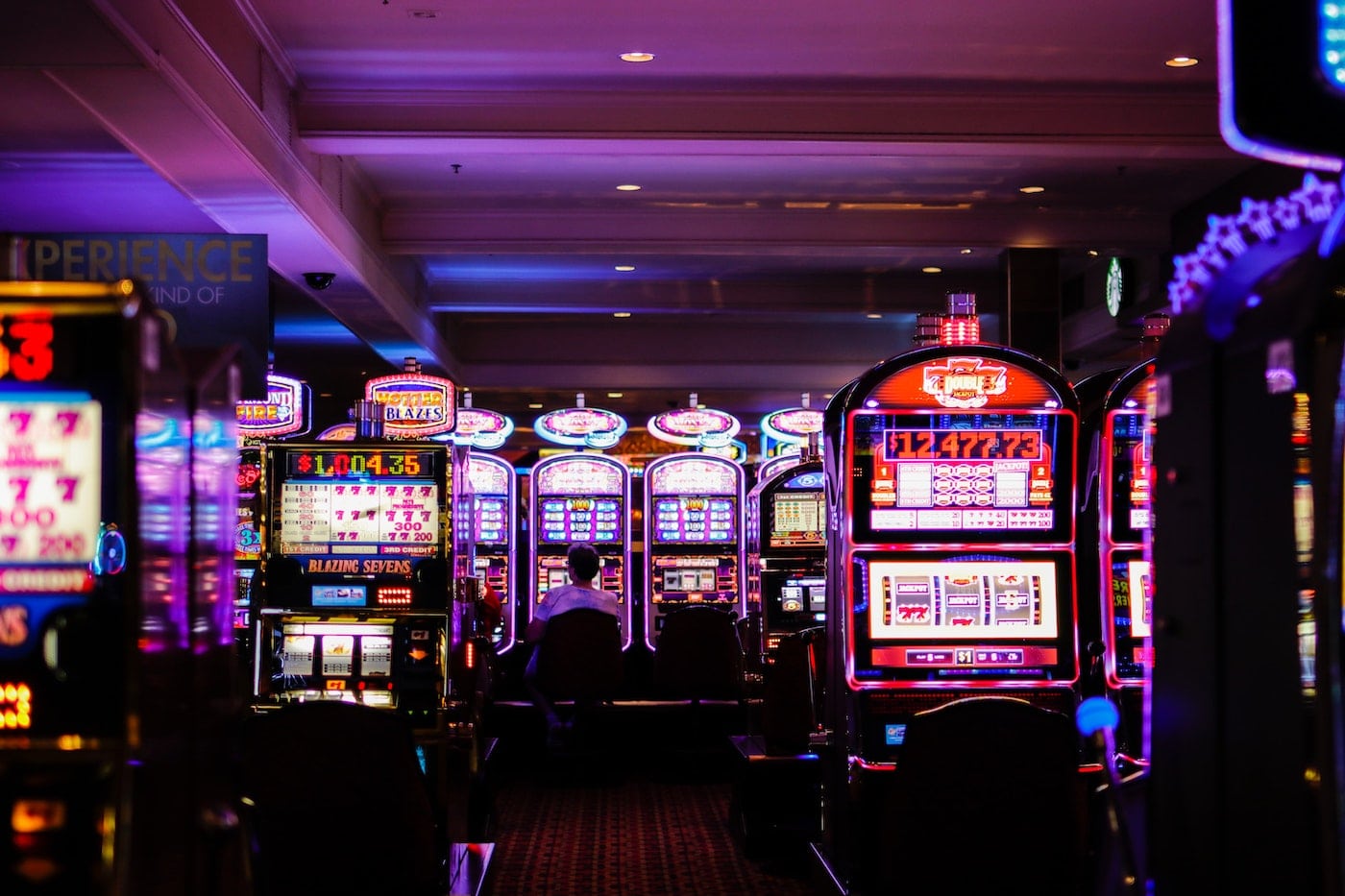
Moreover, the social environment of a casino adds to the allure. The sounds of slot machines, cheers of winners, and vibrant atmosphere can create a communal experience that enhances the thrill of playing games of chance. This social context often reinforces gambling behavior, where individuals may feel encouraged to place bets in the company of others, further amplifying the psychological factors at play.
The Role of Cognitive Biases in Gambling Decisions
Cognitive biases significantly shape gamblers’ decisions, often leading them to misinterpret their chances of winning. For example, the gambler’s fallacy leads individuals to believe that past outcomes will influence future events, such as thinking that a slot machine is “due” for a win after a series of losses. This irrational belief can perpetuate gambling behavior, as players become convinced that their luck will turn around.
In addition, anchoring bias plays a crucial role in how gamblers assess potential losses and winnings. Players may anchor their expectations based on initial experiences rather than rational calculations of probabilities. This cognitive shortcut can create unrealistic beliefs about their chances of success, reinforcing a cycle of risk-taking and resulting in further gambling engagement.
Emotional and Psychological Triggers in Gambling Behavior
Emotions are powerful motivators in gambling choices, influencing how individuals make decisions in a casino setting. People often gamble during moments of heightened emotions, whether they are seeking to celebrate a positive event, cope with negative feelings, or simply break the monotony of everyday life. This emotional connection can make gambling feel like a viable escape from reality.
Additionally, the psychological concept of loss aversion plays a significant role in gambling behavior. Individuals often prefer to avoid losses rather than acquiring equivalent gains, which can lead to chasing losses—a behavior where gamblers continue to bet in hopes of recovering their previous losses. This irrational decision-making can have detrimental effects, leading to increased gambling frequency and potential addiction.
The Impact of Environment and Design on Gambling Choices
Casinos are meticulously designed to heighten the experience of gambling and influence player behavior. Factors such as lighting, soundscapes, and layout play a crucial role in creating an immersive environment that encourages prolonged play. The absence of clocks and windows can disorient players, making them lose track of time and increasing the likelihood of extended gambling sessions.
Furthermore, the placement of games and the availability of complimentary drinks can create a sense of urgency and comfort, encouraging players to spend more time and money. These environmental cues are strategically employed to enhance the gambling experience, tapping into the psychological triggers that keep players engaged and returning for more.

Social Interaction and Its Influence on Gambling Behavior
Social interaction significantly impacts gambling choices, as the collective atmosphere can enhance both enjoyment and the amount wagered. Many individuals see gambling as a social activity, where the presence of friends or strangers can amplify the excitement and intensity of the experience. This social aspect can lead to riskier decisions, as individuals may feel more emboldened when surrounded by fellow gamblers.
Online casinos have also adapted to this aspect of gambling, creating virtual spaces that incorporate chat functionalities and live dealer games. These platforms aim to replicate the social experience of traditional casinos, where players can interact while engaging in games. The interplay of social dynamics in gambling reflects deep-rooted psychological factors that influence behavior, showcasing the importance of community in gaming experiences.